
notes from set: 10 things i've learned
ten reminders i come back to before every shoot day.

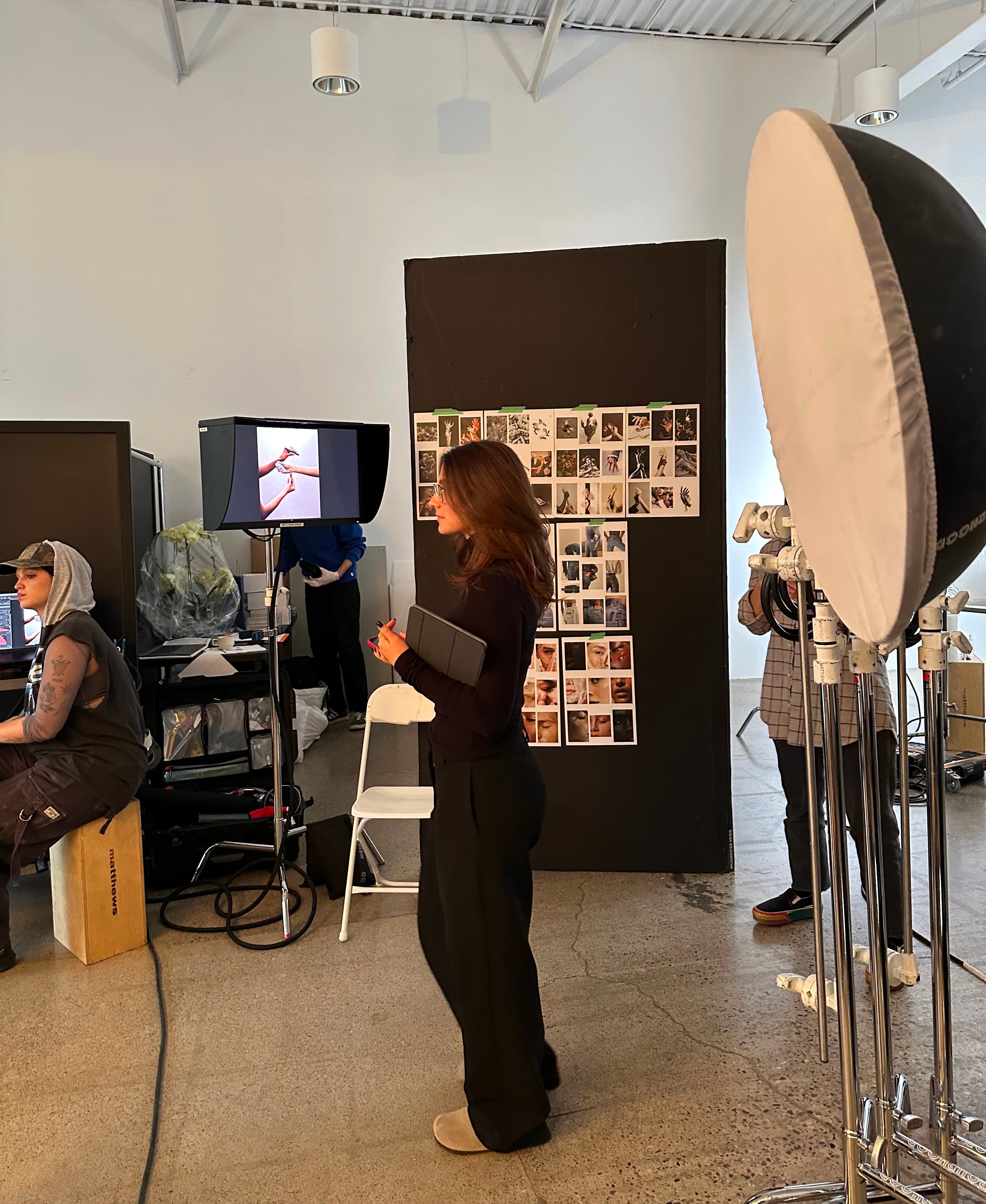
Hello from LA. I got back from a shoot in London just last week, and now I’m in LA for my last "away" shoot of the summer. I’m always trying to learn and refine my approach after every set I leave. I wanted to share some tips I’ve learned along the way and things that I constantly remind myself of before every shoot.


01 // Know the Brand World Inside & Out
On set, you should always put yourself in the brand’s shoes and see through its eyes.
Colours, surfaces, finishes, accessories, lighting, and even the smallest props should all feel like they belong in the same world. If the brand were a person, would they use matches or a lighter? What type of lighter? What type of cigarette? What kind of glass would they drink from? Every decision should feel intentional. When a prop flies into the frame, you should instantly be able to call out whether it would live in that world or not.
There’s only so much you can fix in post-production. One of the worst things is shooting, then getting client feedback that says, “We don’t use that type of wood,” or “That doesn’t feel like us.” And yes, it’s happened before!!
Before a shoot day, refresh yourself on every component of the brand world. It’s often helpful to think of the brand as a person and get to know that person inside and out. The more familiar you are with their world, the easier it becomes to make decisions on the fly.
02 // We Have a Shot List, but We Have Fun Too!
We create shot lists to guide the day, capture our deliverables, and help build a narrative for the client. Going into a shoot day, understand which shots are absolutely essential and which ones leave room to play.
Some crews follow a shot list to a T, and sometimes to a fault. They become so focused on executing what’s on the page that they miss opportunities unfolding right in front of them. Other crews see shot lists as merely a pile of loose papers with grazing eyes, which can lead to exciting ideas but can also derail timing when the day starts moving quickly (because timing is always of the essence on set).
Things happen on set - sometimes timing gets the best of us, certain props or outfits don’t work, and things get cut. You have to roll with the punches. The shot list should act as a north star. It keeps everyone aligned and moving toward the same goal, but if you grip it too tightly, you risk killing the spontaneity and magic that only happens in the moment.
Get what you need and always leave some room for discovery (and have fun while doing so)!
03 // References! References! References!
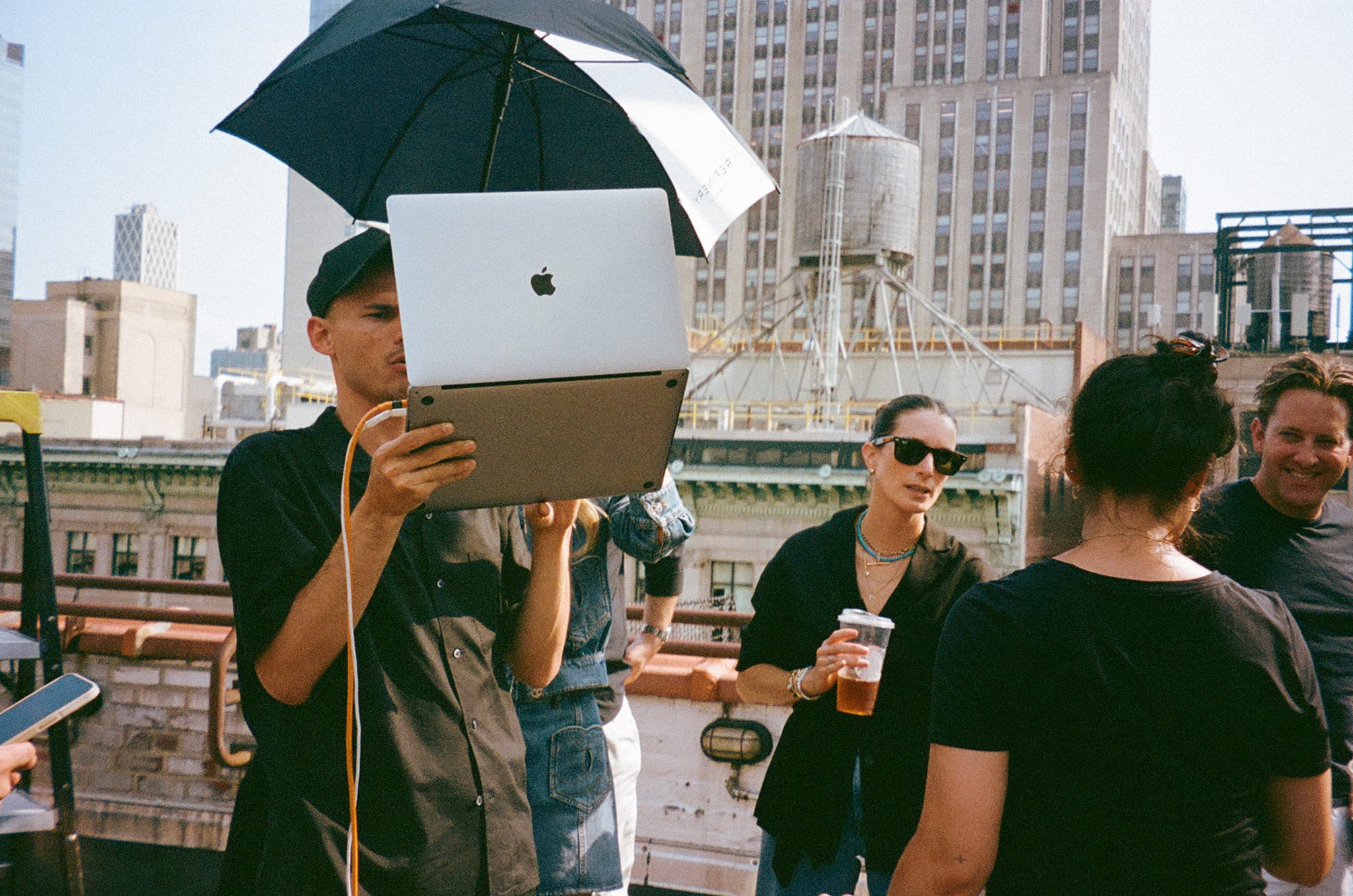
We go into shoot days with shot lists, treatments, and moodboards, but I always like having an additional bank of references on hand; my previous manager drilled that into me, and thank god he did (shout out to MLP <3).
Sometimes a setup isn’t working. Sometimes a location looks different than expected. Sometimes, everyone finds themselves scratching their heads, staring at the monitor with mouths ajar, trying to figure out what’s missing.
Having a wider bank of references gives you something to pull from in those moments. It can spark a solution, inspire a new angle, or simply help articulate what you’re trying to achieve.
You’ll never regret having too many references.
04 // Don’t Underestimate the Model
Without the model, what do you really have?
When you’re behind the camera, it can be easy to forget that the person in front of it is navigating a room full of strangers, bright lights, multiple opinions, and a lens pointed directly at them.
The biggest thing I took away from my recent shoot in London, working with incredibly talented vets in the industry, was: "Let's let them do their thing for a second," and "We don’t want to make them feel insecure."
It’s tempting to jump in immediately with notes, tweaks, and adjustments, but sometimes the best thing you can do is give someone a moment to settle into the scene. Let them warm up. Let them find their rhythm.
If you had a camera pointed at your face while twenty people watched and immediately started telling you what to do, you’d probably tighten up, too.
It sounds cliché, I know… but models are people too! Confidence often comes from feeling comfortable enough to explore. Before rushing to give direction or relay client feedback, give them the space to settle in. You might be surprised by what they bring to the table on their own when they have a moment to do so.
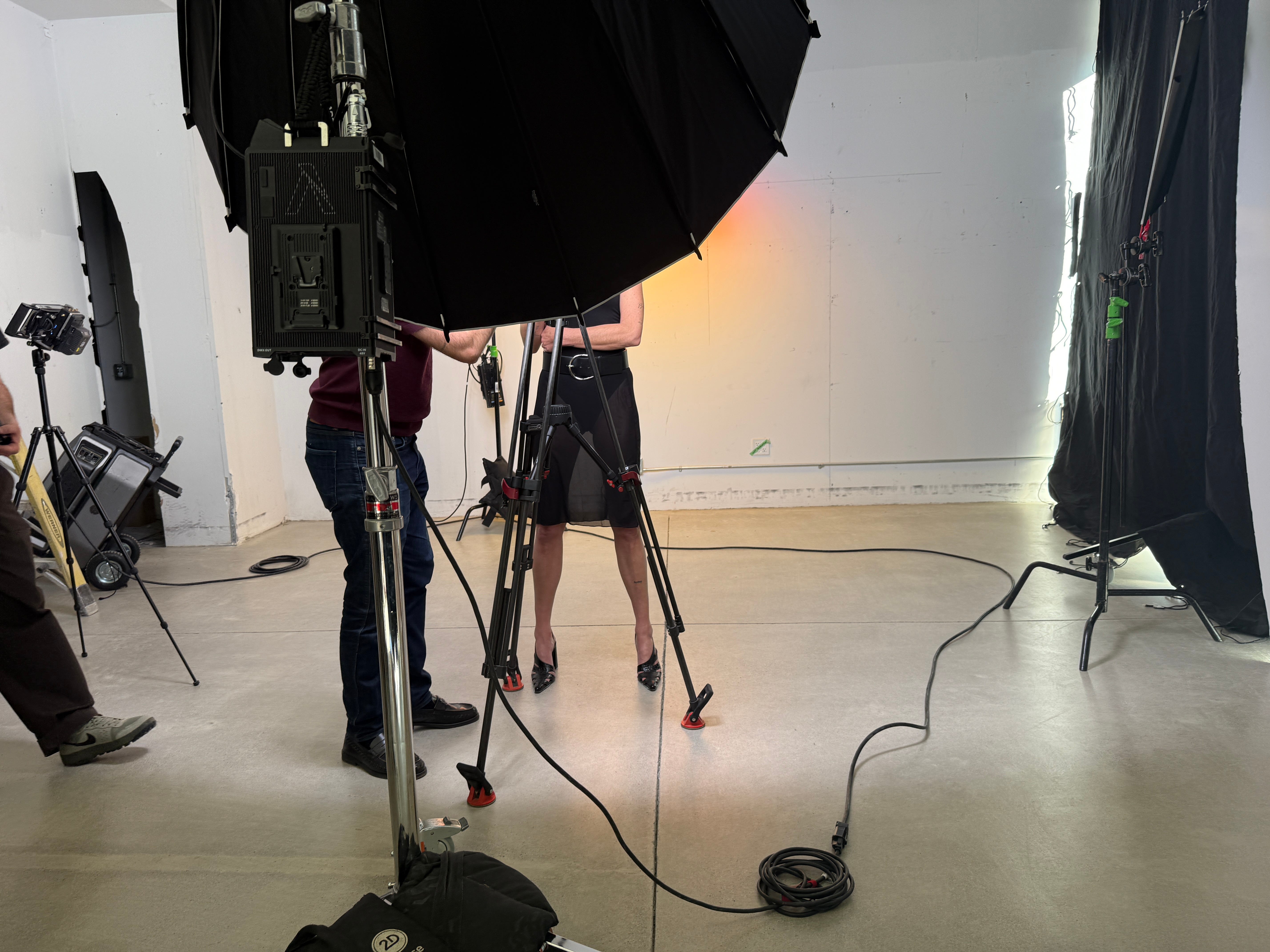
05 // Be Decisive
The number of times I've suggested something, looked at the monitor, and immediately thought, "Actually, I liked it better before," has happened more times than I can count (and that’s okay)!
The same goes for questions. Someone asks for a decision, and half the time you won’t know the answer until you’ve tried it.
The reality is that shoot days move quickly. People are looking to you for direction. You can’t always sit with a decision for thirty minutes. You have to trust your instincts.
I often remind myself that by the time we’re on set, I’ve lived with the creative for weeks. I’ve studied the brand, presented the work 100 times over, revised it, and thought about it endlessly. Even if I don’t know with complete certainty, I always know enough to make a call.
And if it turns out to be the wrong one? That’s okay too.
Go with your gut, make the decision, learn from it if you have to, and always keep moving.
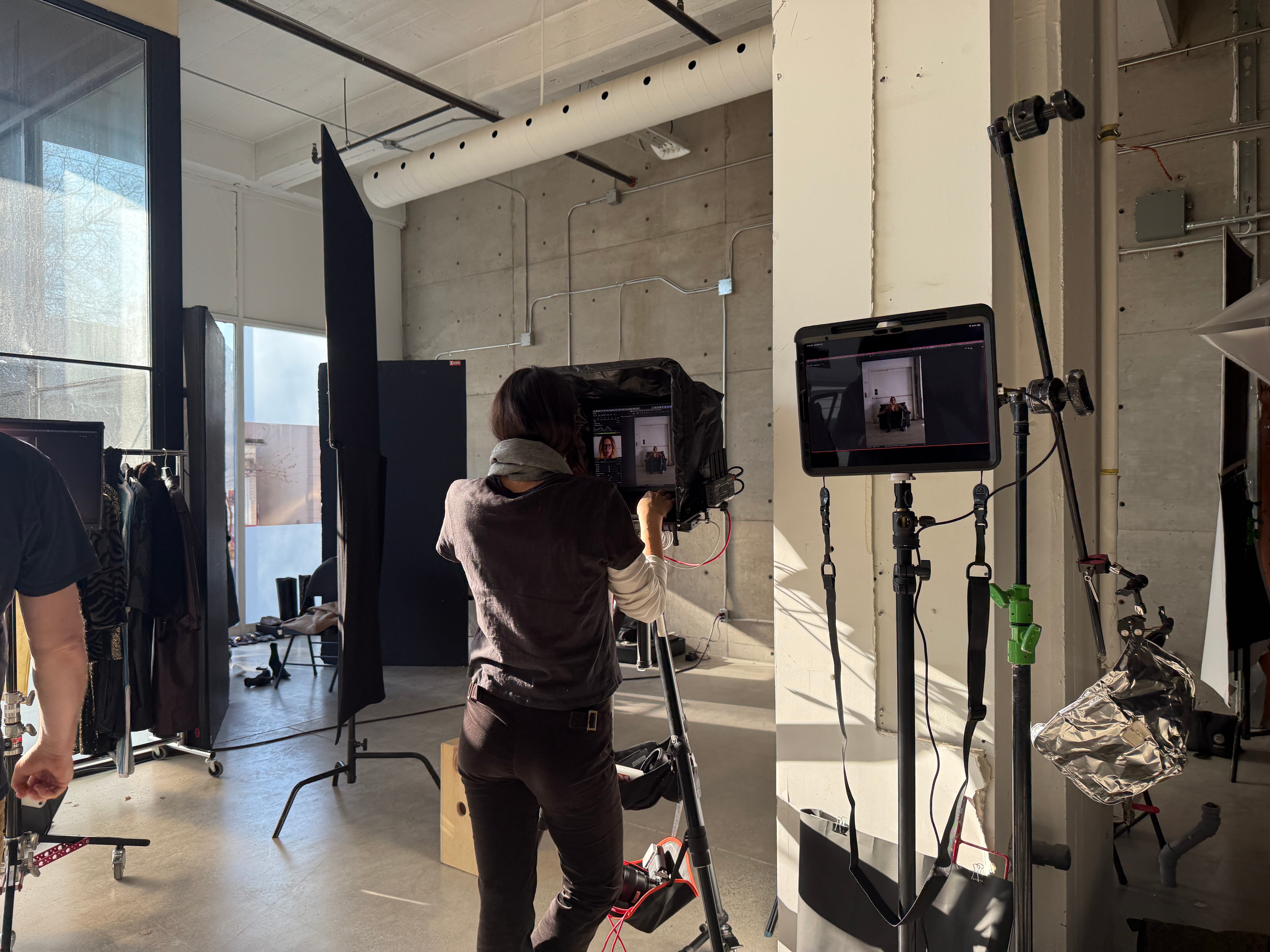
06 // Protect the Energy
Jumping off my previous note, the best shoots have momentum.
When something isn’t working, acknowledge it, make a decision, and move forward. Don’t let people spend thirty minutes debating a prop placement that nobody will remember in the final image.
Energy is fragile. Once it disappears, it can be surprisingly difficult to get back.
Part of your role on set is protecting the pace, the creativity, the confidence, and the excitement of the room. Keep things moving.
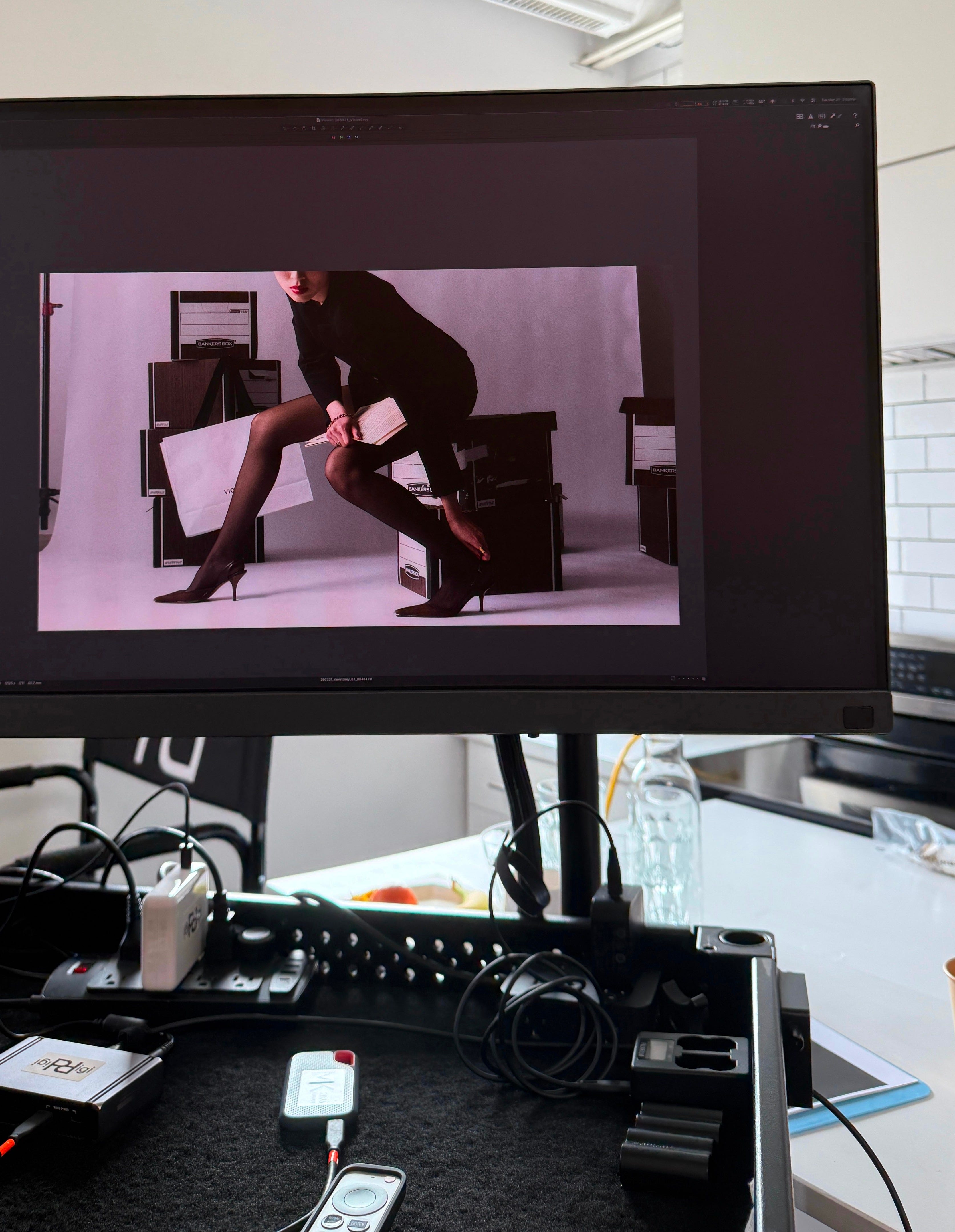
07 // Watch the Monitor, Not Just the Set
Sometimes something looks incredible in person and completely different on camera. The detail you barely noticed while standing on set becomes the strongest part of the frame.
It’s easy to get caught up adjusting props, talking to talent, or solving problems in the room, but the audience isn’t seeing the room. They’re seeing what’s captured through the lens.
Keep coming back to the monitor. That’s where the final image lives.
08 // Think 10 Steps Ahead
If you’re waiting for a setup to finish before thinking about the next one, you’re already behind.
While a scene is being captured, start thinking about what comes next. What prop needs to move? Which outfit follows? Does lighting need to shift? Do we have time to jump into a different setup while talent is getting changed? What’s the quickest path into the next setup?
Shoot days are essentially a series of transitions, and we are all racing against the clock.
The more you’re able to anticipate those transitions, the smoother the day becomes.
09 // Take Notes
A lot happens on set. Shots get cut. New ideas emerge. The client starts talking about music for the edit while you’re reviewing stills. Someone suggests a retouching note you’ll definitely forget three hours later.
It's a whirlwind.
Whether you're a Notes app person, a notebook person, or someone who just needs to make a mental note in the file folder in your head, take notes! Small comments and observations often become incredibly valuable once you’re back in post-production.
Good organization never hurts anyone, and it makes post-production a hell of a lot easier.
10 // Feed the Crew
Not literally, that's production's job!
The number of times I scream “stunning,” “gorgeous,” and “YESS” with no shame whatsoever! Celebrate the wins. Call out a great frame. Let people know when something is working. Thank someone when they make a great call!
The best sets feel collaborative and fun. At the end of the day, it’s a group of people building something together rather than simply completing a checklist.
Good energy spreads quickly. So does bad energy. Go into a shoot feeding the crew the right energy.
Hope you enjoyed xx
Fantastic! Love this x