

René Lalique
Filed Under: Object as Art

When perfume bottles were designed to be kept.
Filed Under: Object as Art
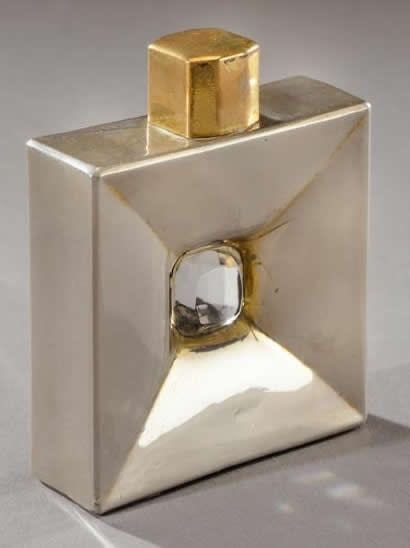
I’ve been saving images of fragrance bottles for the past little while, and recently realized that most of them were the work of René Lalique. Objects so intricate and otherworldly that they deserved a moment of pause and celebration.
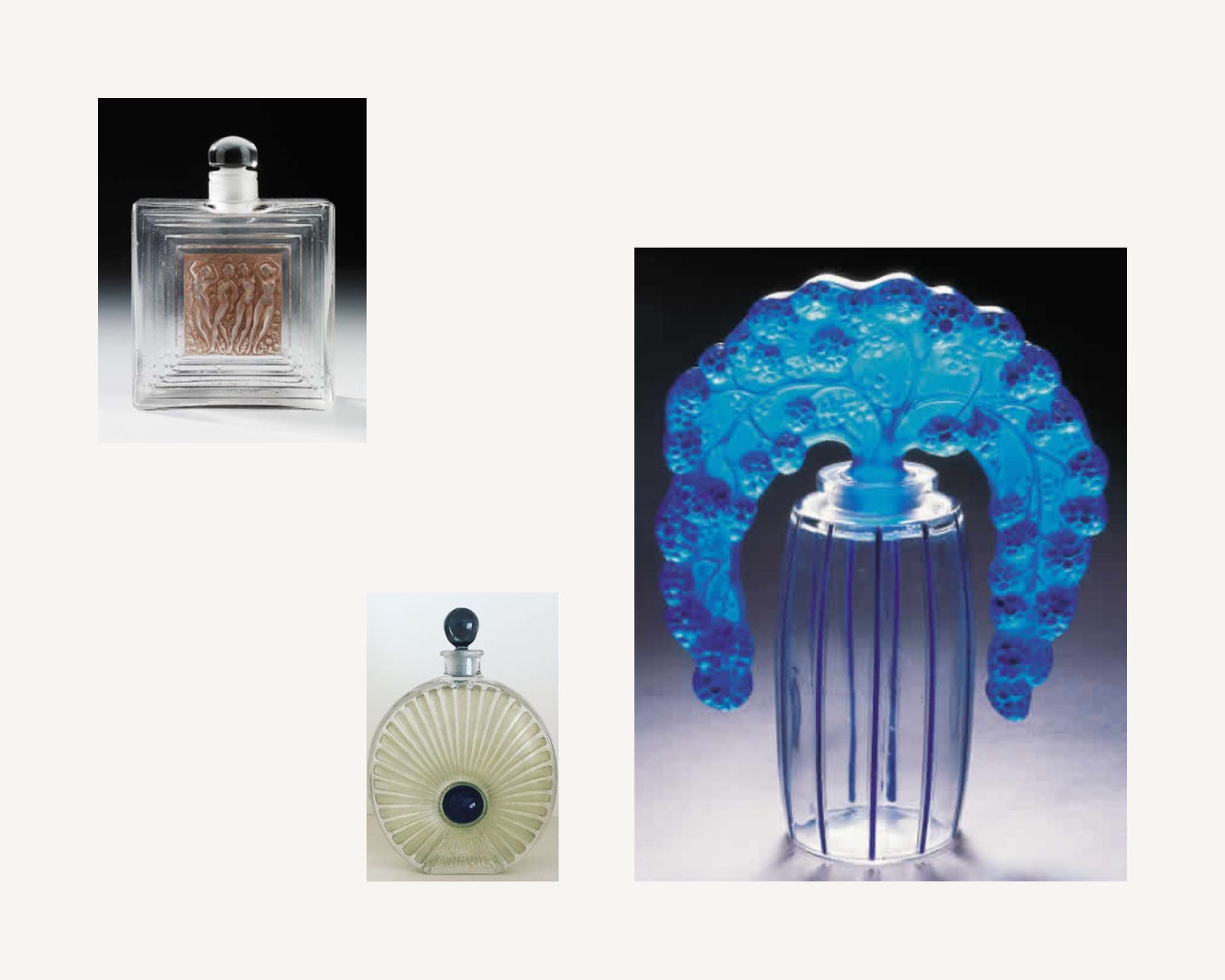
René Lalique was a renowned French jeweller and glass artist active in the late 19th and early 20th centuries. He is well known for his Art Nouveau and Art Deco style that spanned across jewelry, sculptures, chandeliers and perfume bottles.
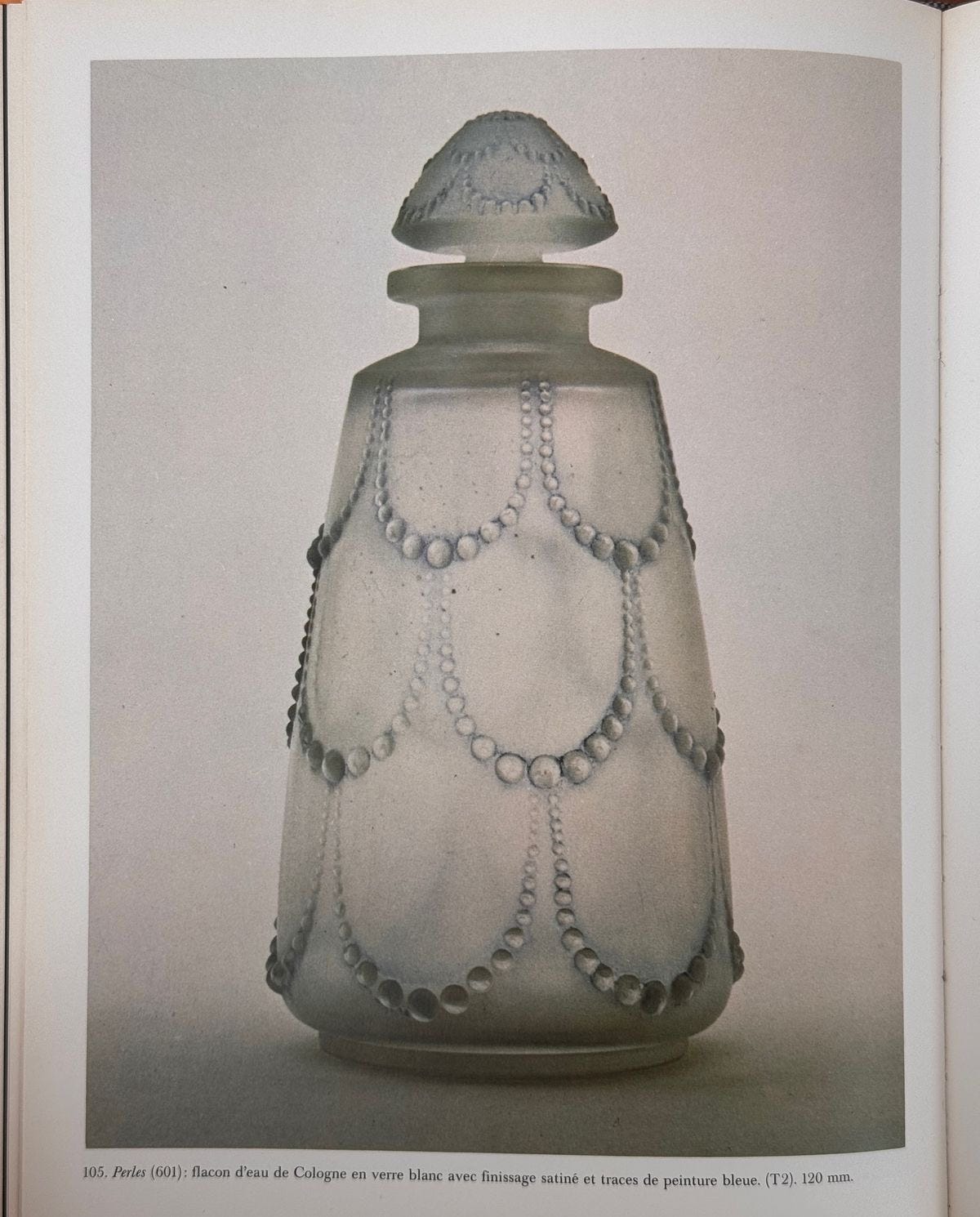
At the turn of the 20th century, within the European commercial perfume industry, fragrance was rarely packaged in anything remarkable. Fragrance was sold in plain containers, with decorative bottles treated as separate purchases. That began to shift when perfumer François Coty invited René Lalique to bring his artistic practice into the world of perfume.
Their work transformed the industry. Lalique began designing bottles that were not simply vessels for fragrance, but works of art in their own right - elevating the perfume bottle from container to object.
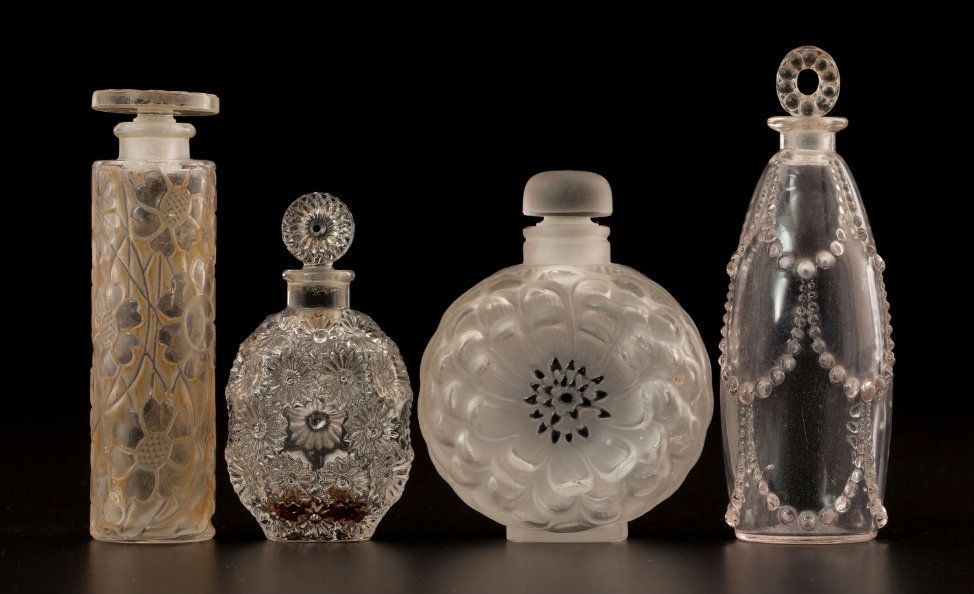
Trained as a jeweller and celebrated for his glasswork, Lalique applied the same level of craftsmanship and symbolism to perfume bottles as he did to sculptures. Scenes and motifs were molded directly into the glass - opacity, weight, and form became a part of the experience.
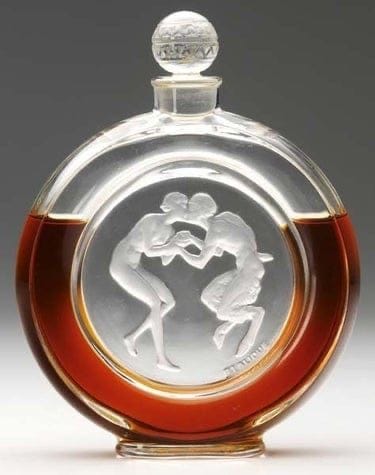
He became extremely well known for his adorned designs, many of which are now highly sought after by collectors. One of which being René Lalique’s Trésor de la Mer (Treasure of the Sea), an extremely rare Art Deco perfume presentation designed and created between 1936 and 1939 for Saks Fifth Avenue’s 50th anniversary. The piece was a two-part structure featuring an opalescent glass clamshell that opened to reveal a frosted glass perfume bottle shaped like a pearl. Only 100 have been produced, with one sold for a record of $216,000 in 2006.


Drawing heavily from nature and the body, Lalique’s inspiration wasn’t decorative, it was structural. When asked about the subjects that drove his practice, he explained that the inspiration was all around him, and within us. “The fruit is ripe, all that remains is for me to pick it”. His work reflects that belief: bottles shaped by nature, repetition, and movement.
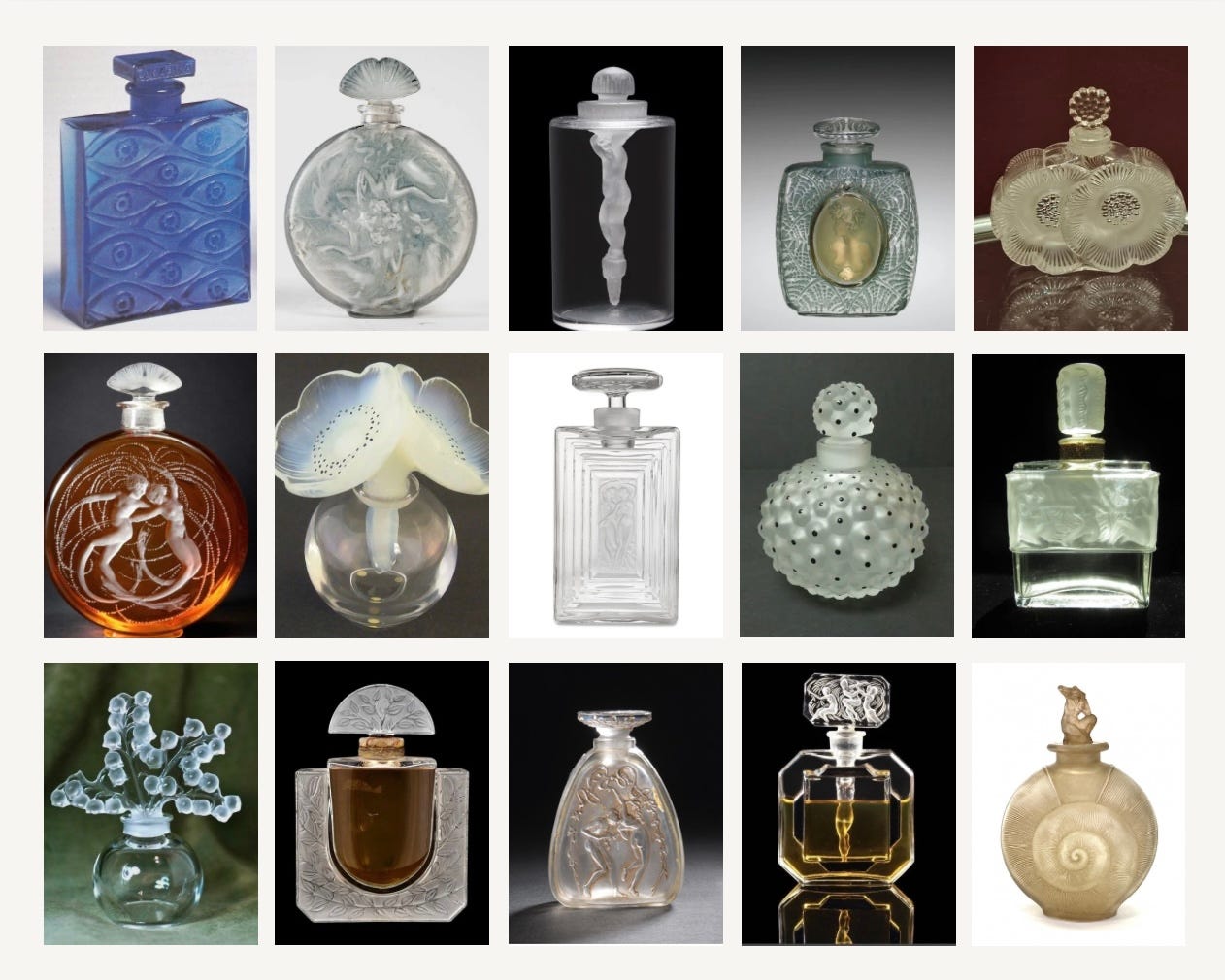
These objects were meant to be displayed and kept long after the fragrance itself had faded. In doing so, Lalique quietly redefined the role of the perfume bottle, establishing a precedent that would shape luxury packaging for generations to come.
The modern Lalique bottles are still beautiful, don’t go me wrong, but the vintage bottles are something else entirely. They weren’t designed as packaging, they were created as objects first.
Where contemporary bottles often prioritize branding, Lalique’s originals prioritized form. Today, I’m drawn to fragrance brands that design with that same sensibility - where the object is considered as carefully as what it holds.
A few modern fragrances I’ve been drawn to lately:
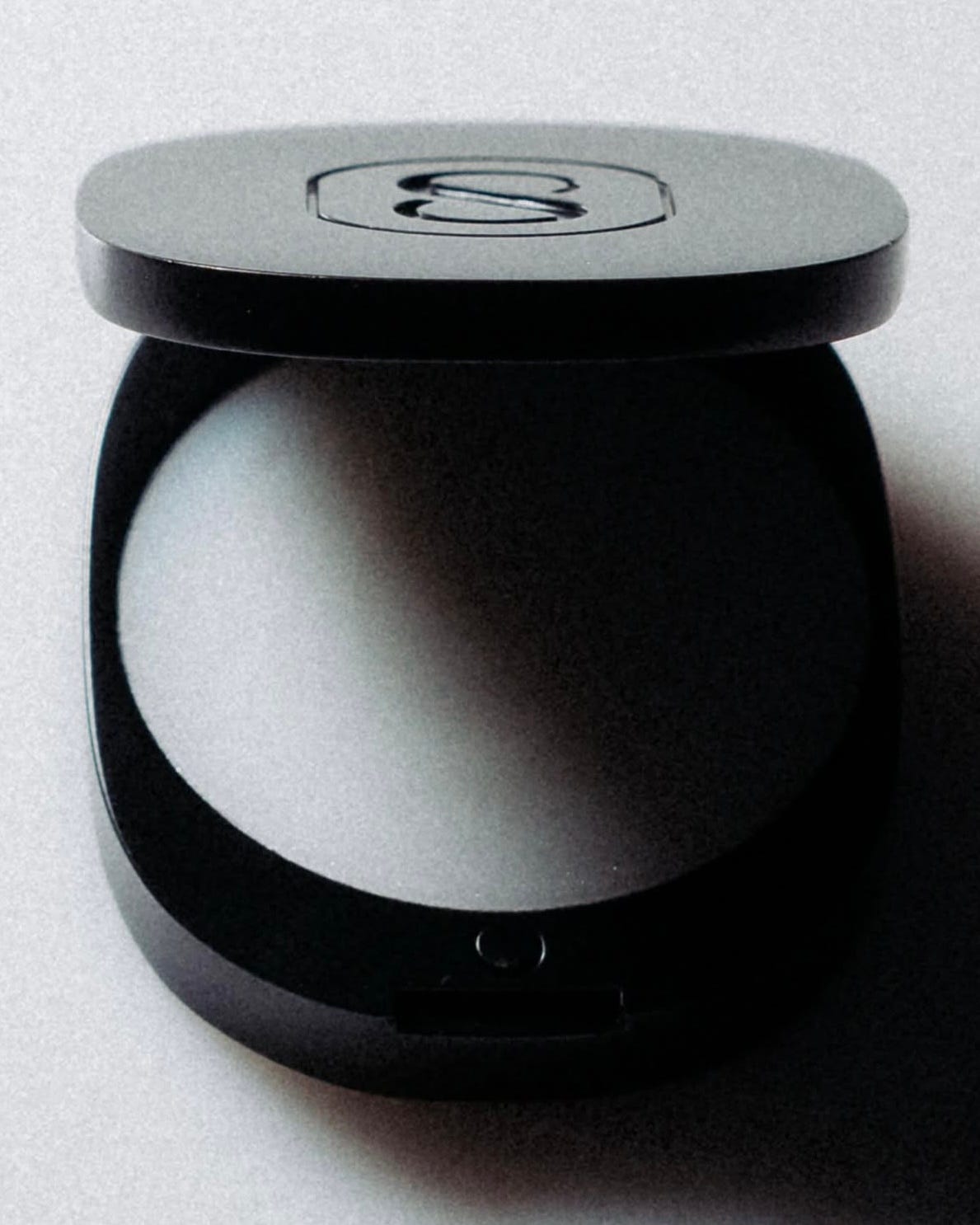
A palm-sized container with a luxurious weight, sitting heavy in the hand and engraved with the brands monogram on top. Smooth and considered with a deeply satisfying close.
The SIDIA team recently launched MIDAS, a new fragrance I was lucky enough to be apart of on the Art Direction side for the campaign video. The scent itself leans warm and sensual - offered both as a body mist and in this luxe solid format.
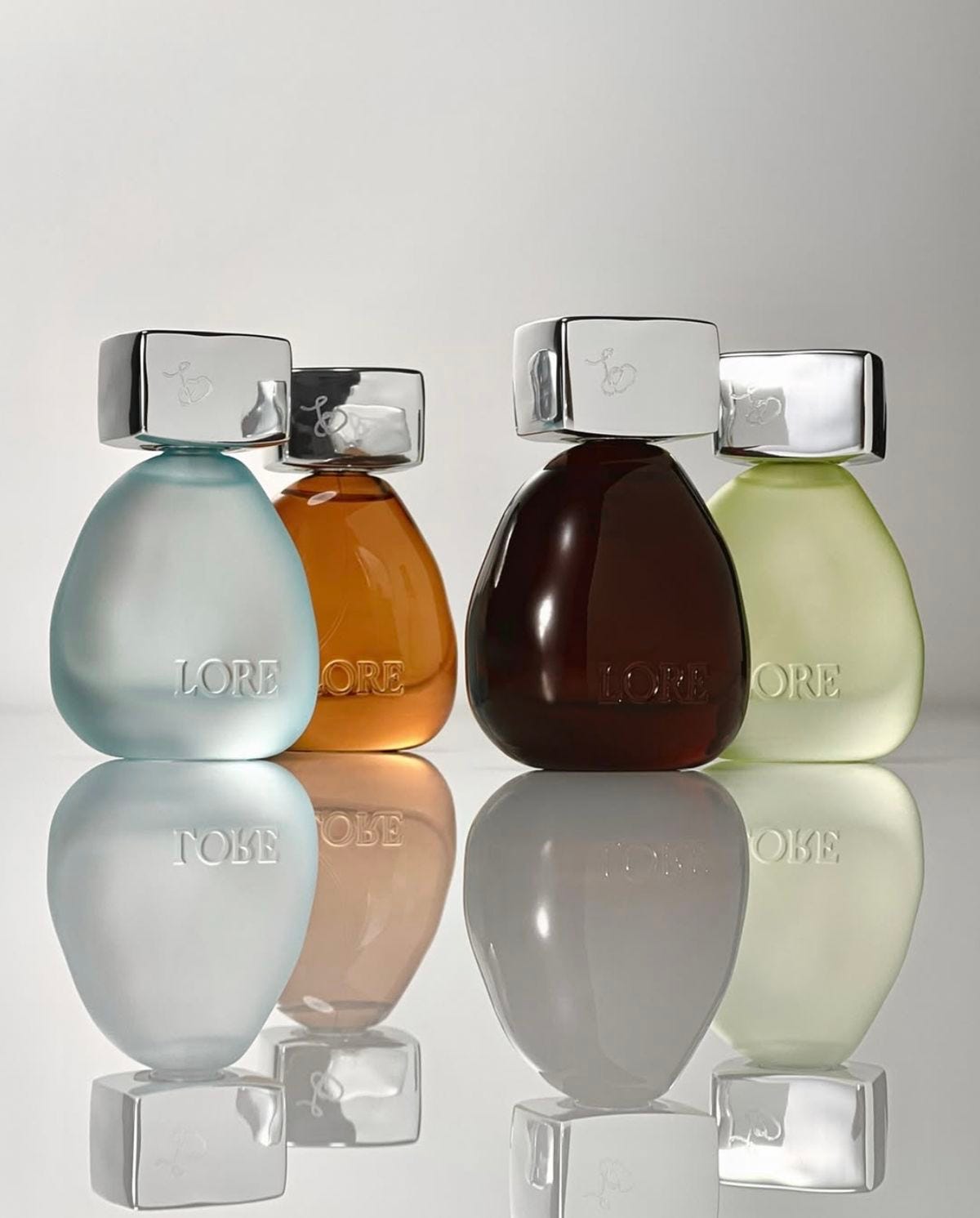
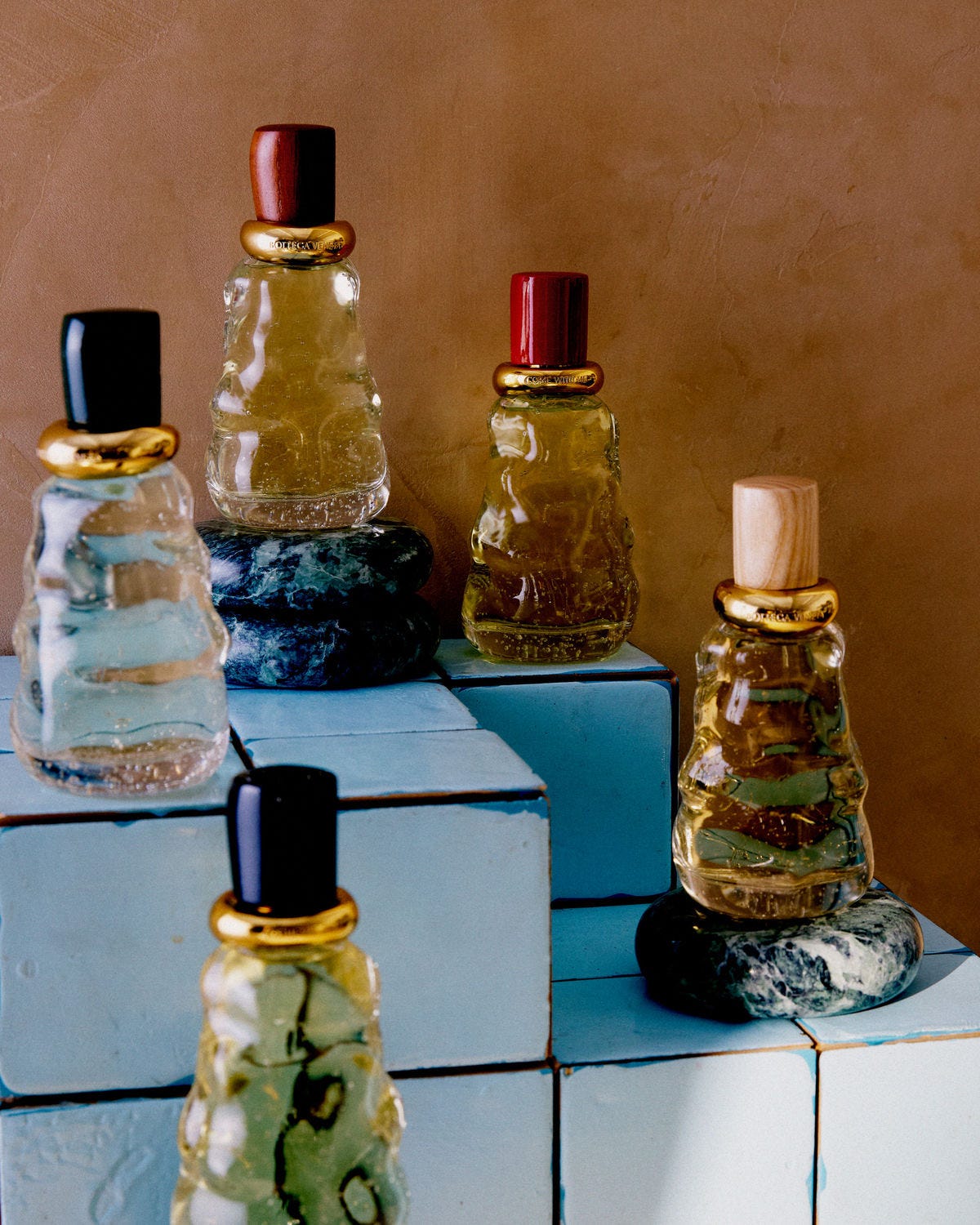
A fragrance line defined by fluid, organic bottles, each shaped by subtle asymmetry and non-uniform form. Developed in collaboration with HEINZ-GLAS, the bottles vary in finish - some softly frosted, others more translucent, catching light differently depending on angle and finish.
A carved glass bottle grounded by a solid stone base. The bottle itself feels architectural in nature. Its sense of luxury isn’t defined by the name alone, but the material and make itself.
«BE CAREFUL THIS IS LALIQUE»
(C) Lily Van Der Woodsen
I love the Botega bottles! One of my own treasures is a Salvador Dali bottle from the mid-80s that is shaped like a nose and mouth/lips.